Storm Damage Assessment: What Every Homeowner Needs to Know
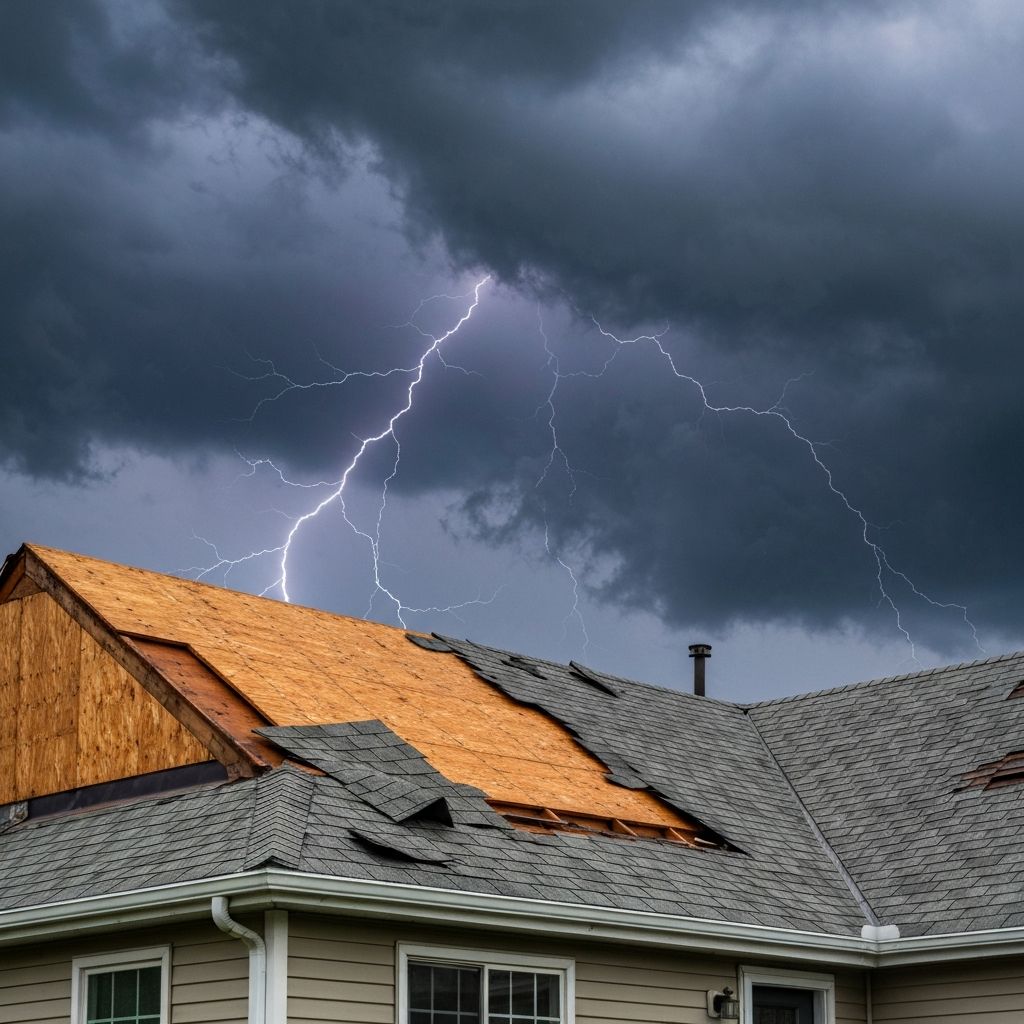
After a storm passes through your area, assessing potential roof damage quickly and accurately can make the difference between a minor repair and major structural issues. This guide walks you through everything you need to know about storm damage assessment.
Need Emergency Roof Service?
If you have active leaks or visible structural damage, don't wait. Our emergency team is available 24/7.
Call Now: (317) 666-6601Types of Storm Damage
Different types of storms cause different types of damage. Understanding what to look for based on the storm type helps you conduct a more thorough assessment.
Wind Damage
High winds can lift, curl, or completely remove shingles from your roof. Look for:
- Missing shingles or sections of roofing
- Lifted or curled shingle edges
- Damaged or missing flashing
- Debris accumulation in valleys and gutters
Hail Damage
Hail can cause bruising, cracking, and granule loss on shingles. Signs include:
- Circular dents or bruises on shingles
- Excessive granule accumulation in gutters
- Dents in metal vents, flashing, or gutters
- Cracked or broken shingles
Water Damage
Heavy rain, especially when combined with wind, can find or create entry points:
- Water stains on ceilings or walls
- Damp or wet attic insulation
- Mold or mildew smell
- Peeling paint or bubbling drywall
Safe Assessment Steps
Safety First
Never climb on a wet or damaged roof. Ground-level and attic inspections can reveal most damage safely. If you need a roof-level inspection, contact a professional.
1. Ground-Level Inspection
Walk around your home and look for visible signs of damage from the ground:
- Shingles or roofing materials on the ground
- Damaged or clogged gutters and downspouts
- Damage to siding, windows, or exterior features
- Debris accumulation around the foundation
2. Interior Inspection
Check your attic and interior spaces for signs of water intrusion:
- Look for daylight coming through the roof boards
- Check for wet or damp insulation
- Look for water stains on rafters or decking
- Note any musty odors that could indicate moisture
3. Document Everything
Proper documentation is essential for insurance claims:
- Take photos and videos of all visible damage
- Include wide shots and close-ups
- Note the date and time of the storm
- Keep any fallen materials as evidence
When to Call a Professional
While some damage is obvious, much storm damage is hidden or subtle. Contact a professional roofing company if you notice any of the following:
- Any visible damage from ground level
- Water stains or leaks inside your home
- Neighbors filing claims for storm damage
- Your roof is more than 15 years old
- Large hail (1 inch or larger) was reported
The Insurance Claim Process
Filing a storm damage insurance claim involves several steps:
- Contact your insurance company promptly - Most policies require notification within a specific timeframe after discovering damage.
- Document everything - Photos, videos, and written descriptions of all damage will support your claim.
- Get a professional inspection - A detailed report from a licensed roofing contractor strengthens your claim.
- Meet with the adjuster - Having your roofing contractor present during the adjuster's visit can ensure nothing is overlooked.
- Review the settlement - Make sure all damage is accounted for before accepting a settlement.
Free Storm Damage Inspection
Our certified inspectors will assess your roof, document any damage, and provide a detailed report—all at no cost to you. We also assist with the insurance claim process.
Temporary Protection Measures
If you have visible damage and are waiting for repairs, temporary measures can prevent further damage:
- Use tarps to cover exposed areas (if safely accessible)
- Place buckets under active leaks
- Move valuables away from leak areas
- Document the temporary measures you take
Remember, most insurance policies cover reasonable temporary repairs to prevent further damage—keep receipts for reimbursement.